
New Zealand travel guide
North Island vs South Island: which should you visit?
Choose the North Island for geothermal landscapes, Māori cultural experiences and coastal-city variety. Choose the South Island for alpine lakes, glaciers and Fiordland. If you have two weeks, a selective route can give you a taste of both; with one week, stay on one island.

The islands at a glance
Neither island is a lesser version of the other. Start with the experiences you would regret missing, then shape the route around the time you have.
Landscape
North Island: Volcanic plateau, geothermal areas, harbours and beaches
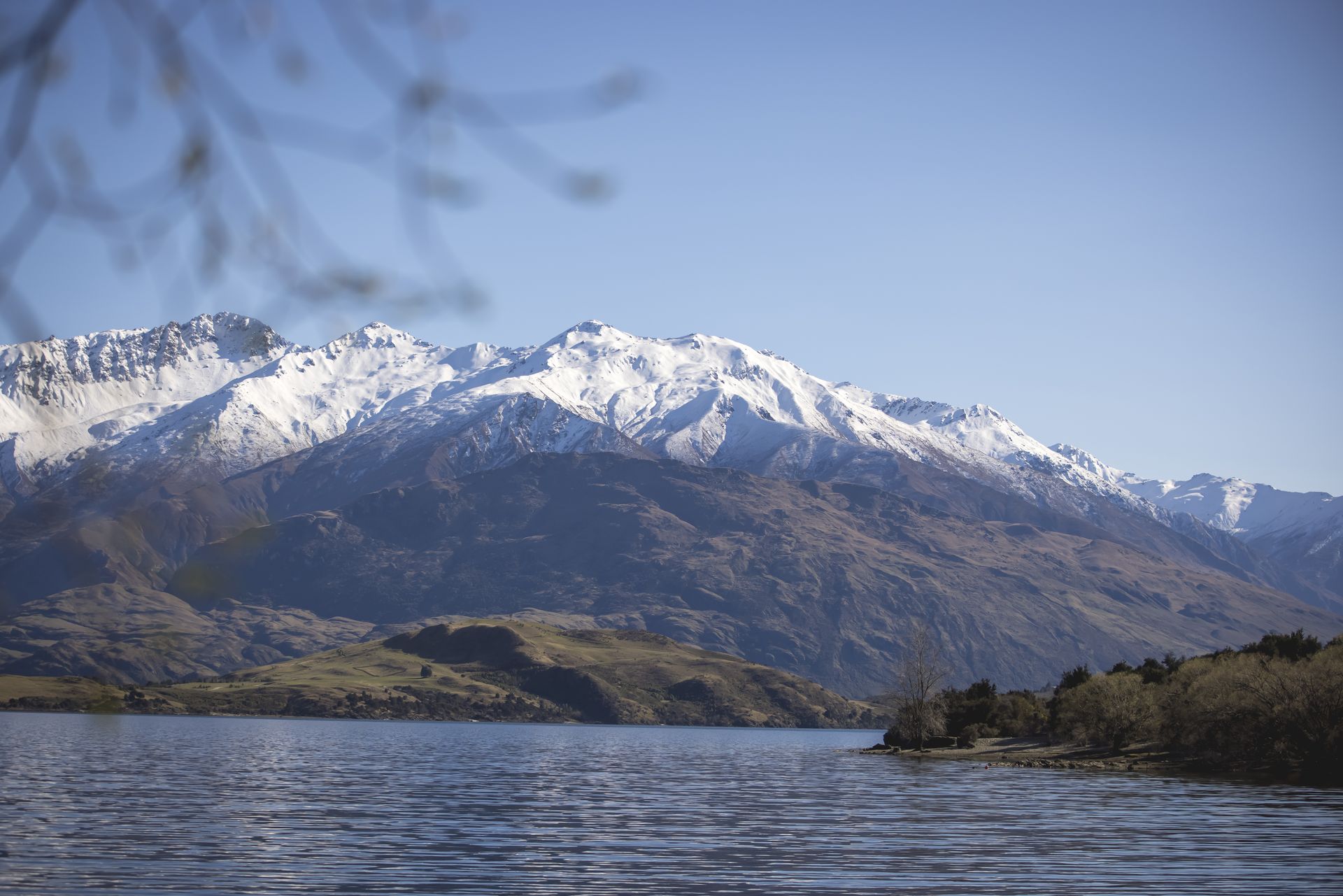
South Island: Southern Alps, glacier country, lakes and fiords
Signature experiences
North Island: Rotorua geothermal visits and Māori cultural experiences; Auckland harbour and Wellington
South Island: Queenstown and Wānaka lakes, West Coast scenery and Fiordland cruises
A good fit if you…
North Island: Want culture, coastal stops and geothermal landscapes on the same trip
South Island: Want alpine scenery, big road-trip views and outdoor adventures
Trip rhythm
North Island: Build a focused Auckland–Rotorua–Taupō journey, or continue to Wellington
South Island: Leave time for mountain roads, weather-dependent outings and longer distances
Make the North Island your focus if…
You want the contrast of city harbours and volcanic country. Begin in Auckland, spend time among the geothermal landscapes and cultural experiences of Rotorua, and add Taupō for the lake and nearby volcanic plateau. With more time, Wellington makes a natural southern finish.
Prefer beaches and a slower pace? You might trade a long southbound drive for extra time around Auckland or the Bay of Islands. These are alternatives, not stops to squeeze into every short trip.
Make the South Island your focus if…
Mountains and changing scenery are the reason you came. Christchurch is a gateway to journeys over the Southern Alps; the West Coast leads to Franz Josef, while Wānaka and Queenstown give you lake and alpine time.
For Fiordland, allow a proper day rather than treating it as a quick roadside stop. Te Anau is a useful base if you want to spend longer there. Glaciers, cruises and mountain roads are affected by conditions, so leave some flexibility.
Seven, ten or fourteen days?
7–8 days
Choose one island and a selective route. For an alpine journey, see Manta’s 8 Day South Island Glaciers & Lakes trip, which starts and finishes in Christchurch. If culture and geothermal country matter more, use the builder to shape a North Island route instead.
10 days
A single island gives you more time in each place. Both islands are possible if you keep to a handful of stops and accept a transfer day; it is not the same as seeing everything. Choose the experience you most want, not the longest list of towns.
14 days
This is room for a curated cross-island journey. Manta’s 14 Day North & South Island Discovery runs from Auckland through Rotorua and Wellington, crosses by ferry to Picton, then continues through Kaikōura, the West Coast and Wānaka to Queenstown. You can adjust the nights and stops.
When should you go?
New Zealand is a year-round destination, but the North Island is generally warmer and the South has cooler, more alpine conditions. Summer (December–February) suits beach days and long daylight hours; winter (June–August) draws skiers to Queenstown and Wānaka. Spring and autumn can offer quieter travel, while mountain and coastal conditions can change quickly. Check the forecast for each stop rather than planning around one “island weather” label.
What does crossing islands involve?
The Cook Strait ferry connects Wellington and Picton. The sailing itself takes around 3.5 hours, weather dependent; check-in, waiting and onward travel make this a substantial part of a travel day. Flying between island gateways is another option for a route that does not need the ferry scenery. The best choice depends on where you actually want to go next.
North vs South Island questions
Which island is better for a first trip to New Zealand?
Neither is universally better. Choose the North Island for geothermal Rotorua, Māori cultural experiences, volcanic landscapes and city-to-coast variety. Choose the South Island for alpine lakes, glacier country, Fiordland and longer scenic journeys. With two weeks, you can sample both on a carefully paced route.
Can I see both islands in 10 days?
Yes, but it means choosing a few stops rather than trying to cover everything. Crossing islands uses travel time, whether you take the Wellington–Picton ferry or fly. If relaxed days matter more than checking off both islands, spend those 10 days on one island.
Is seven days enough for both islands?
Seven days is better spent on one island or one region. You can enjoy more than one stop without losing a large share of the trip to transfers. Our eight-day South Island route is one example of a focused journey.
How do you travel between the North and South Islands?
The passenger ferry links Wellington and Picton; the crossing takes around three and a half hours on the water, subject to weather, and you need to allow additional time for check-in and onward travel. Flying between island gateways can suit a different route. Check the arrangements for your particular tour before booking separate travel.
Which island is warmer?
The North Island is generally warmer, while the South Island has more alpine conditions. Weather varies considerably within each island and across seasons, so choose the places and experiences you want rather than relying on one island-wide forecast.