
New Zealand travel guide
Best time to visit New Zealand
For long days and coastal exploring, choose summer (December–February). For autumn colour and a slower rhythm, consider March–May. Winter (June–August) is for snow sports and alpine scenery; spring (September–November) brings gardens and blossom. There is no universally best month: the right season depends on your route and what you most want to do.
The year at a glance
New Zealand’s seasons are opposite to those in the Northern Hemisphere. These are planning tendencies, not a forecast for every town or a promise about availability.
Dec–Feb
Summer
Good for: Coasts, long days and outdoor touring
Plan around: Popular travel period; book key stays and experiences early.
Mar–May
Autumn
Good for: Changing colour and a gentler touring pace
Plan around: Days shorten and cooler conditions arrive, especially in the south.
Jun–Aug
Winter
Good for: Southern ski areas, snowy views and city breaks
Plan around: Shorter days; check alpine roads and activity conditions.
Sep–Nov
Spring
Good for: Gardens, blossoms and fresh landscapes
Plan around: Variable weather; keep room for a change of plans.
Season definitions and climate overview: Tourism New Zealand’s travel FAQ. Our suggestions about what suits each season are Manta’s planning guidance.
Summer: December to February
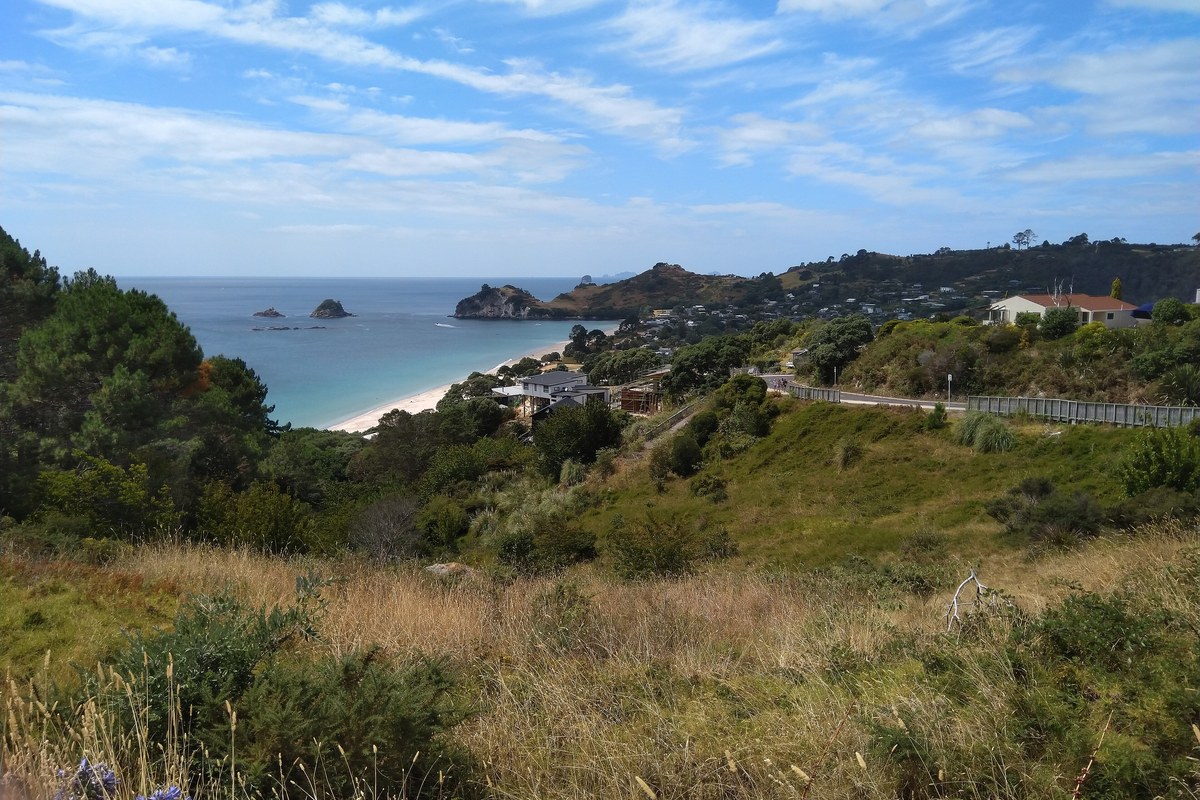
Longer days make summer a natural fit for coastlines, lake towns and time outside. A North Island route can pair Auckland with the Coromandel; in the south, plan time around Wānaka and its lake rather than using every long evening for another transfer.
This is a popular time to travel, especially around holidays. Reserve important accommodation and activities early where you can, and still leave a little room for weather-dependent outings. Summer does not mean every alpine or coastal day will be warm and dry.
Autumn: March to May
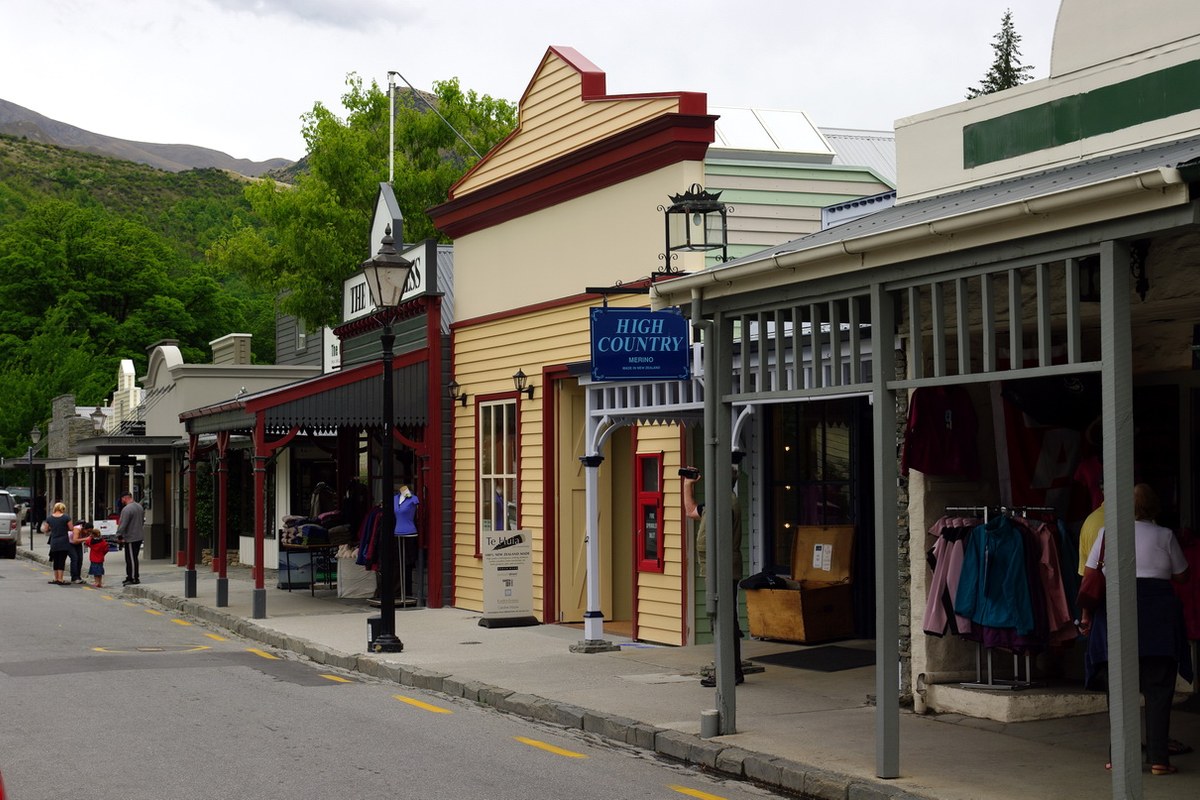
Autumn invites a more measured journey as the days grow shorter. The Queenstown area includes Arrowtown, known for its autumn colour, while the nearby lakes give you a scenic reason to stay longer. A private route can balance walks and viewpoints with time for a slower afternoon.
Don’t assume a particular date will coincide with peak colour or lower costs. Conditions and availability vary; check your preferred stops and month before committing. Manta’s 8 Day South Island Glaciers & Lakes journey is a starting point you can adapt to the season.
Winter: June to August
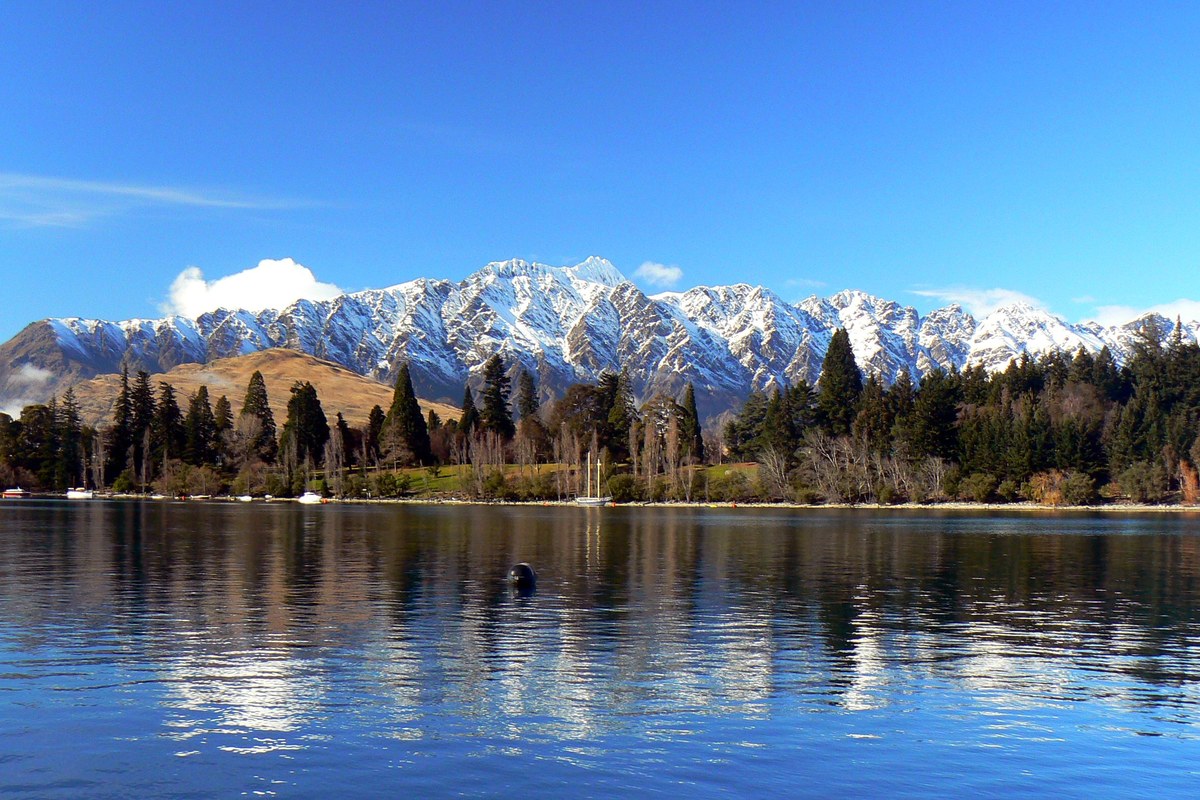
Winter makes the alpine South Island a compelling choice if snow scenery or skiing is your priority. Spend more than a single night near Queenstown or Wānaka to allow for changeable conditions. The North Island offers a different winter rhythm around cultural experiences, geothermal places and city stays, rather than southern ski fields.
Shorter daylight hours make ambitious daily drives less appealing. Mountain-road conditions, snow and closures can change the plan, so check the route before each travel day and keep optional outdoor activities flexible.
Spring: September to November
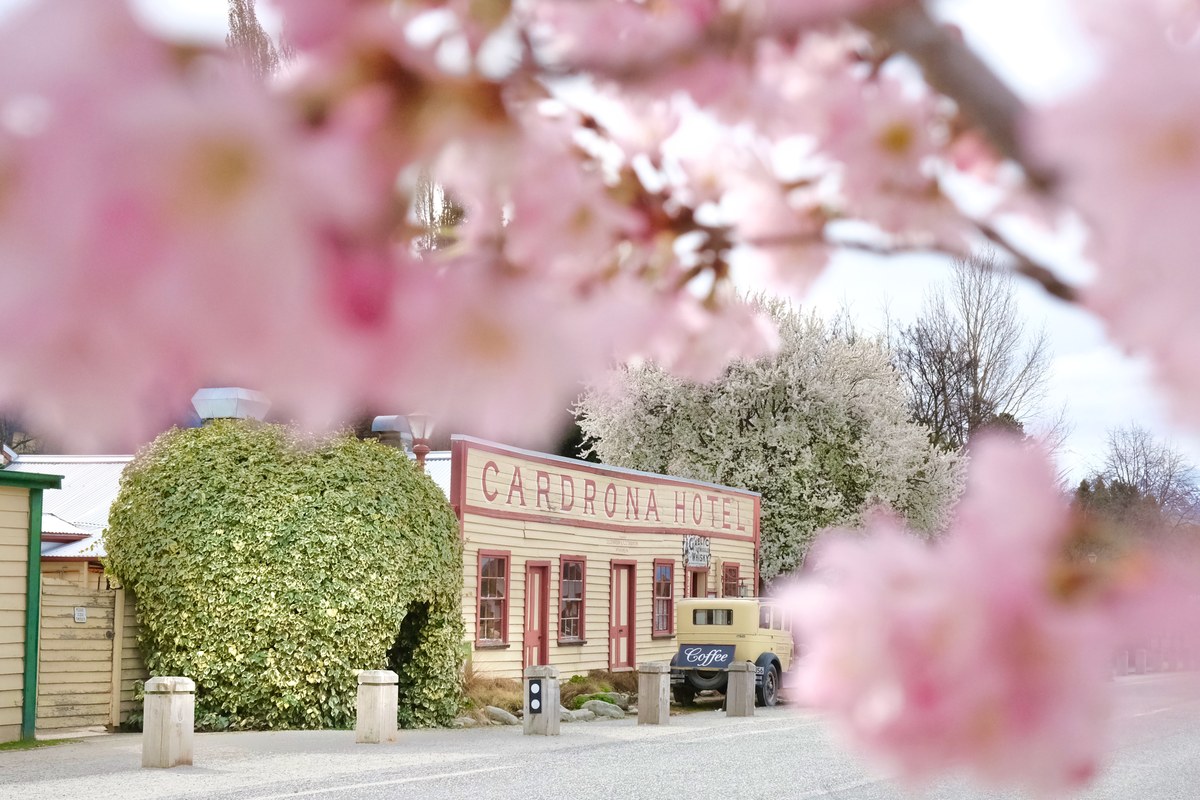
Spring is a good time to give gardens, blossoming towns and outdoor scenery space in your itinerary. You might spend time in Christchurch or take a quieter day around Wānaka and Cardrona. Blossoms and other seasonal highlights do not arrive on an exact calendar date.
Weather can swing quickly, especially near mountains and on the coast. Pack layers and build a second option for a walk, cruise or flight if conditions change.
Choose dates around the experiences
For a coast-led trip, start with the warmer months; for snow sports, make time near the southern ski areas in winter. Walks, cruises and scenic flights need the right day’s conditions, not just the right season. Compare the islands if you are still choosing your focus.
A cross-island route such as Manta’s 14 Day North & South Island Discovery has both alpine and coastal legs. Keep the Cook Strait crossing and long road days in mind whichever month you choose.
Leave space for the weather
Temperatures and conditions change from coast to mountains and from north to south. For mountain walks, the Department of Conservation advises checking current forecasts and warnings, preparing for rapid changes, and being ready to change plans—even in summer. Check road and ferry notices before transfer days too.
Sources: DOC weather guidance and NZ Transport Agency travel information.
Seasonal travel questions
What is the best month to visit New Zealand?
There is no single best month. December to February suits long days and beach time, March to May suits autumn scenery, June to August suits southern skiing, and September to November brings spring gardens. Pick the experiences you care about, then check the conditions for your route.
When is summer in New Zealand?
Summer runs from December to February. Expect longer daylight hours and warm-weather travel opportunities, but not guaranteed sunshine everywhere; conditions vary between regions and from day to day.
Is New Zealand worth visiting in winter?
Yes, particularly if you want skiing near Queenstown or Wānaka, snowy mountain scenery or quieter city and cultural days. Winter has shorter daylight hours, and alpine travel and activities need more flexibility.
When is the best time to visit both islands?
A two-island tour is possible throughout the year. Summer offers longer days, while spring and autumn can suit a varied route if you allow for changing weather. In winter, plan shorter driving days and check mountain-road and ferry conditions.
Are spring and autumn cheaper than summer?
They can be less busy for some places and dates, but savings are not guaranteed. Accommodation, transport and activities vary by location, availability and month. Use Build My Tour to compare estimates for the months you are considering.